
HURRICANE PREPAREDNESS
HURRICANE PREP IN THE LOWCOUNTRY:
A CHARLESTON HOMEOWNER'S GUIDE
Everything Charleston, Mount Pleasant, Daniel Island, and Lowcountry homeowners need to know to prepare their homes for hurricane season — including the one risk most checklists skip.
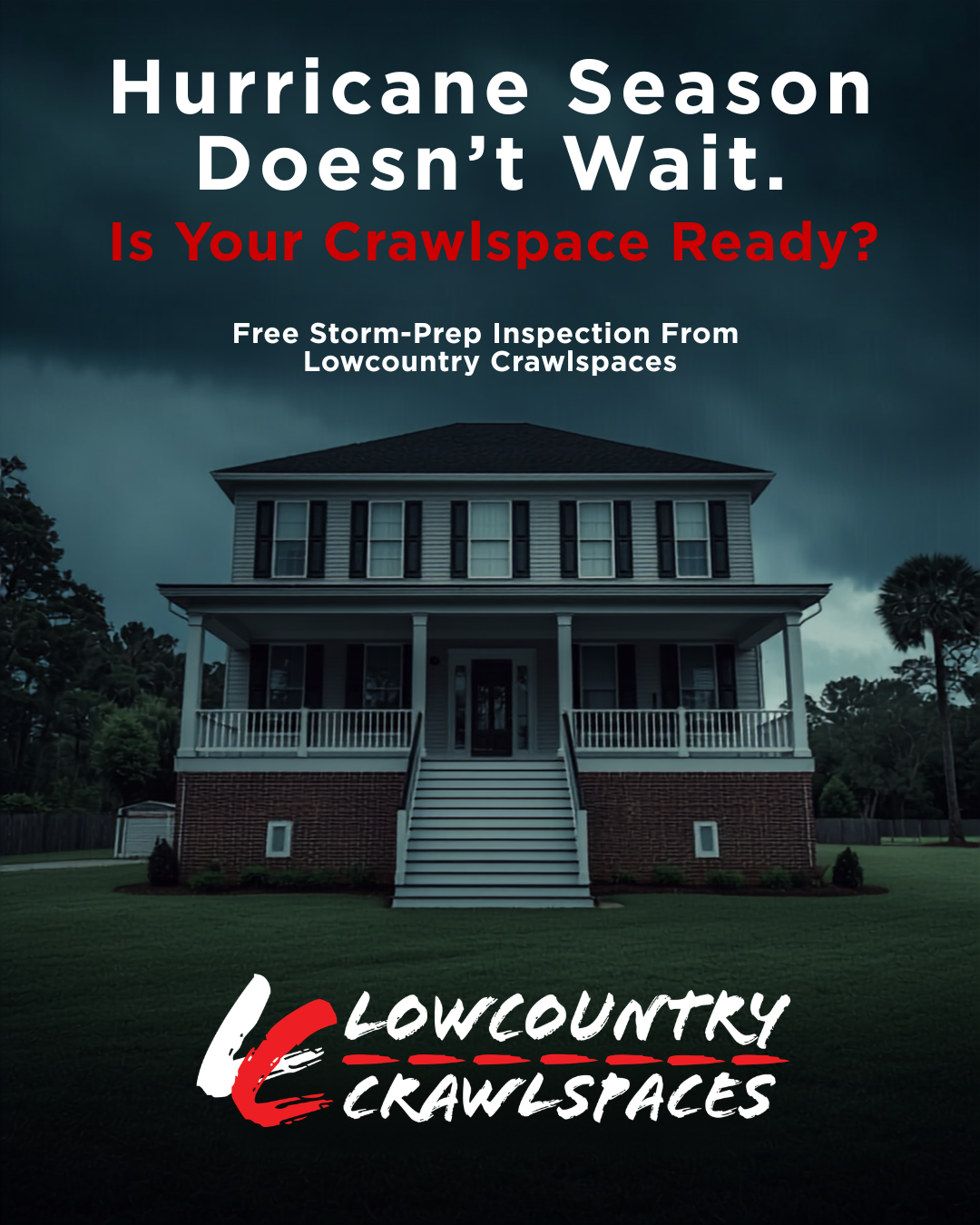
CHARLESTON RISK PROFILE
WHY CHARLESTON HOMES ARE UNIQUELY AT RISK
A Low Elevation, Rising Tides, and a Water Table That Doesn't Forgive
The Lowcountry's geography is what makes it beautiful — and what makes it vulnerable. Charleston sits at a low elevation, surrounded by tidal rivers, marshland, and a water table that sits just a few feet below grade in most neighborhoods. That combination means storms behave differently here than almost anywhere else on the East Coast.
It's Happened Before — and at a Scale Most Homeowners Underestimate
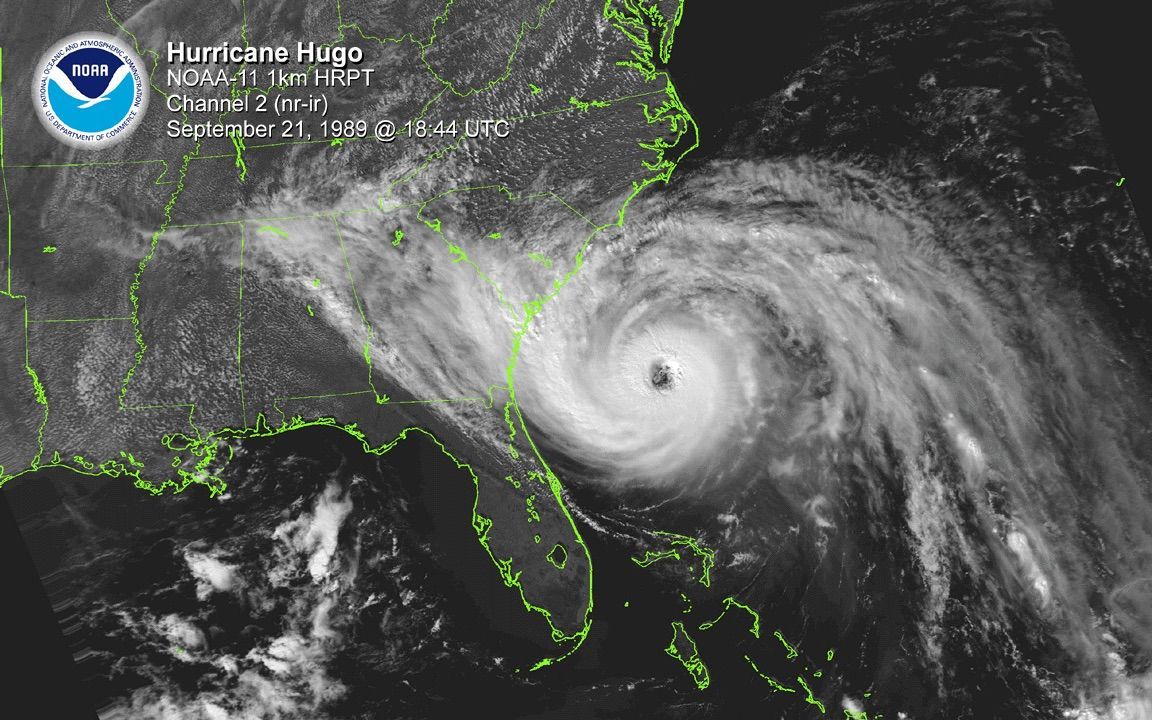
When Hurricane Hugo made landfall near Sullivan's Island in September 1989, it produced the highest storm tide ever recorded on the U.S. East Coast. NOAA's National Weather Service office in Charleston documented storm surge flooding 15 to 20 feet above normal, with Bulls Bay just north of Mount Pleasant recording a 20-foot storm tide based on debris-line evidence. 1 In downtown Charleston itself, surge crashed over the historic seawall at the Battery and flooded the first floor of homes along the peninsula, while roughly 80% of roofs in the city sustained damage. 1 Hugo destroyed or damaged nearly 80,000 homes statewide. 2
That's not ancient history from a planning standpoint. The South Carolina Emergency Management Division has estimated that a storm with Hugo's track and intensity striking today would cause an estimated $8 billion in damage and destroy more than 21,000 homes — a reflection of how much the region has built up since 1989, not a sign the risk has gone down. 3
You Don't Need a Major Hurricane to See Major Flooding
Charleston's flooding problem isn't limited to named storms. The Charleston Harbor tide gauge sets a "major flood" threshold at 8.0 feet MLLW, and that threshold gets crossed more often than most residents realize — sometimes from a king tide alone, with no storm involved. 4 In August 2023, Tropical Storm Idalia combined with a king tide to push the harbor to 9.23 feet, the fifth-highest tide on record, breaching the Battery seawall and flooding streets throughout Harleston Village and the medical district. 5 Climate Central has documented a separate king tide event reaching 8.68 feet — tying the fourth-highest crest on record and matching the storm surge height produced by Hurricane David back in 1979, without a hurricane anywhere nearby. 6
NOAA's Office for Coastal Management has tracked this trend formally: Charleston experienced roughly two days of tidal flooding per year in the 1970s. By 2045, NOAA projects the city will see tidal flooding 180 days out of the year — nearly half the calendar. 7
What This Means for Your Foundation
Most homes throughout Daniel Island, Mount Pleasant, West Ashley, and James Island are built on raised crawlspace foundations rather than slabs — for good reason, since the water table here often sits just a few feet below grade. But that same elevation strategy means the crawlspace is the part of the home positioned closest to rising water, and it's frequently the first part of the structure to take on moisture, whether from storm surge, a king tide, or simple groundwater intrusion during heavy rain.
Most national hurricane prep guides are written for a general audience and miss this entirely. They'll tell you to board up windows and stock water — accurate, but incomplete for a Lowcountry home built on a crawlspace foundation in a rising water table.
PLAN AHEAD
WHEN TO START HURRICANE PREP
The Lowcountry Timeline, From June Through Landfall
Early Season (June)
- Schedule a crawl space and foundation inspection
- Clear gutters, downspouts, and yard drainage paths
- Review your flood insurance policy and home inventory
5 Days Before a Storm
- Confirm sump pumps and check valves are functioning
- Trim trees and secure loose yard items
- Stock supplies: water, batteries, fuel, medications
72 Hours Before
- Move valuables out of crawlspaces and ground-level storage
- Photograph your home's exterior and foundation for insurance records
- Charge devices, fill vehicles, withdraw cash
24 Hours Before
- Bring in or secure all outdoor furniture and equipment
- Final check on sump pump power backup (battery or generator)
- Confirm evacuation route if in a storm surge zone
THE FULL CHECKLIST
HOW TO PREPARE YOUR HOME
Structural, Drainage, and Documentation — Covered
Structural
- Inspect roof flashing, shingles, and seals
- Install or check storm shutters and impact windows
- Seal exterior penetrations (vents, pipes, cable lines)
Drainage & Grading
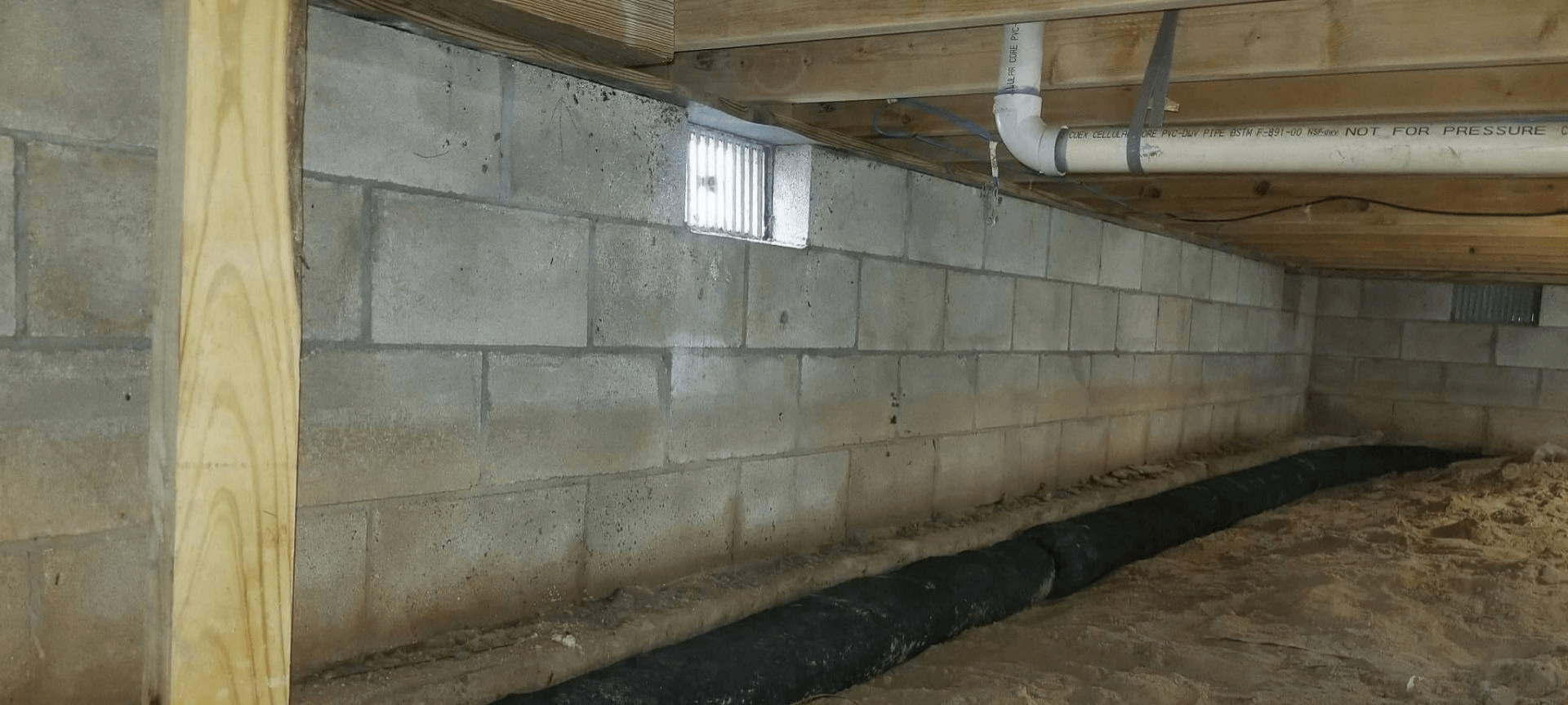
- Ensure yard grading slopes away from the foundation
- Clear French drains and swales of debris
- Check that gutters discharge well away from the crawlspace perimeter
Documents & Insurance
- Confirm whether your policy covers flood (most standard homeowners policies do not)
- Update your home inventory with photos/video
- Store copies of policies and ID documents in a waterproof, portable location
THE BLIND SPOT
THE RISK MOST HOMEOWNERS MISS
Your Crawlspace Is Closer to the Water Table Than You Think
If your home was built on a raised crawlspace foundation — common throughout the Lowcountry — this is the part of your house closest to the water table and the first to take on moisture during a storm, even before visible flooding appears anywhere else.
What Happens to an Unprotected Crawlspace During a Hurricane
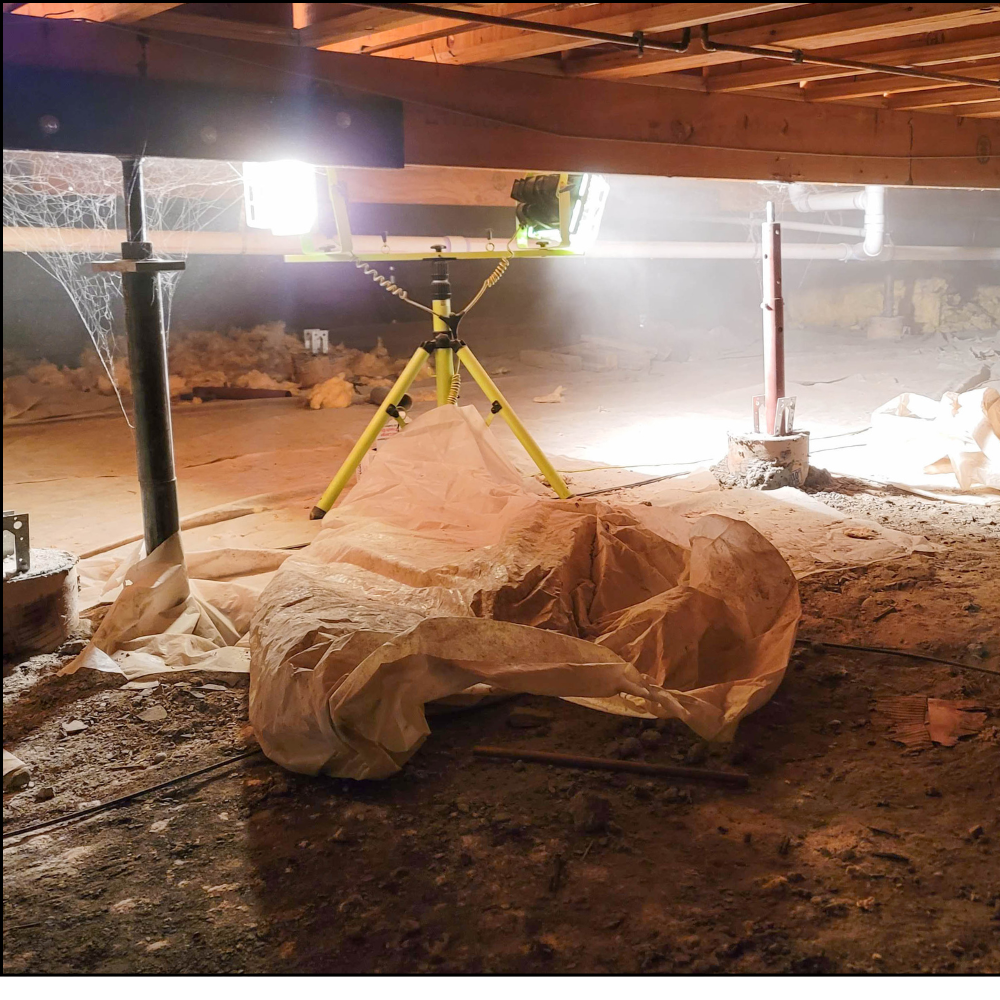
- Flood vents fill with water faster than most homeowners expect, even with vents installed correctly.
- Standing water lingers for days or weeks after the storm passes, since Lowcountry soil drains slowly.
- Wood framing, insulation, and ductwork absorb moisture, leading to mold growth and wood rot that often isn't discovered until months later.
- HVAC systems housed in crawlspaces can be damaged or destroyed by floodwater, an expensive and avoidable loss.
Signs Your Crawlspace Is Already Vulnerable
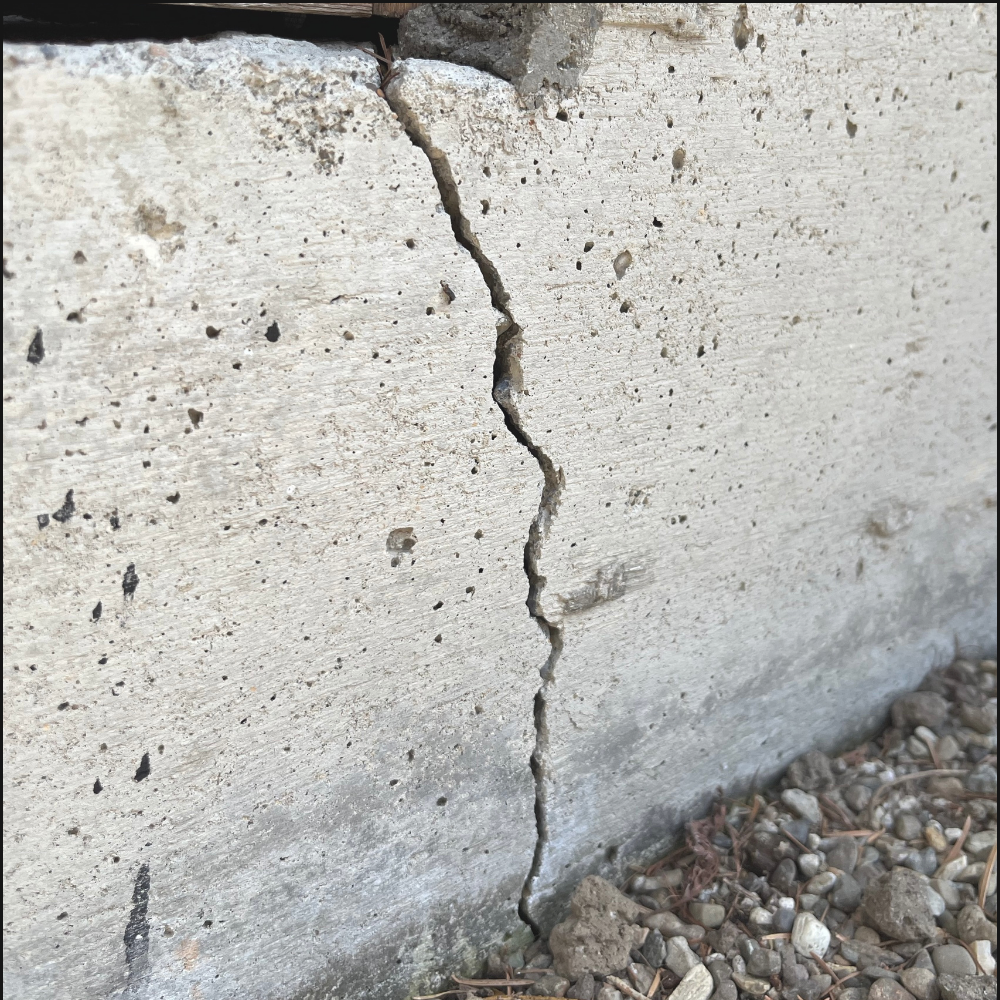
- Musty odors inside the home, especially on the first floor
- Visible moisture, standing water, or mud after normal rainfall (not just storms)
- Sagging or "bouncy" floors
- Missing, damaged, or undersized flood vents
- No vapor barrier, or one that's torn and detached
SERVICES MAPPED TO RISK
HOW LOWCOUNTRY CRAWLSPACES PROTECTS YOUR HOME
Before the Storm Hits — Not After
Each service below directly addresses one of the failure points above — this isn't a sales list, it's a map of which fix prevents which type of storm damage.
- Vapor Barrier & Moisture Control — prevents ground moisture from migrating into framing and insulation, the leading cause of post-storm mold growth. Learn more
- Sump Pump Systems — actively removes standing water during and after a storm instead of letting it sit for days.
- Flood Vent Inspection & Installation — ensures code-compliant vents that equalize pressure correctly, reducing structural stress during storm surge. Learn more
- Crawl Space Encapsulation — seals the space entirely from ground moisture and pests, the most comprehensive long-term protection. Learn more
- Foundation Repair — addresses structural weak points before storm season puts added stress on them. Learn more
- Crawl Space & Foundation Inspection — the first step to knowing exactly where your home stands before the season starts. Learn more

📄 View the official Charleston County Hurricane Guide (PDF) for county-wide evacuation zones, shelters, and emergency contacts.
Not sure where your crawlspace stands?
Get a free inspection before hurricane season puts it to the test.
COMMON QUESTIONS
FREQUENTLY ASKED QUESTIONS
Does homeowners insurance cover crawlspace flood damage in South Carolina?
Standard homeowners insurance typically does not cover flood damage, including water that enters through crawlspace flood vents during storm surge or heavy rainfall. Flood coverage usually requires a separate policy through the National Flood Insurance Program (NFIP) or a private flood carrier.
How often should I inspect my crawlspace before hurricane season?
We recommend at least one professional inspection at the start of hurricane season (early June) and a follow-up check after any named storm makes landfall nearby, even if your home wasn't directly in the storm's path.
Are flood vents required by code in Charleston-area homes?
Many Lowcountry municipalities require flood vents on homes built in designated flood zones, sized according to FEMA guidelines. Vent requirements vary by jurisdiction and flood zone designation, so it's worth confirming your specific requirement with a local inspector.
How long does it take for crawlspace moisture to cause mold after a storm?
Mold can begin developing in as little as 24 to 48 hours in a warm, humid, unventilated crawlspace. This is why post-storm inspection timing matters as much as pre-storm prep.
Want a personalized hurricane prep plan for your home?
Our team will walk your property and build a prep checklist specific to your foundation type, drainage, and risk zone.
CITED RESEARCH
SOURCES
- National Weather Service Charleston, SC — Hurricane Hugo, September 21–22, 1989
- WCBD News 2 — Remembering Hurricane Hugo: South Carolina's Historic Storm
- Folly Beach — The History Altering Path of Hurricane Hugo
- National Weather Service Charleston, SC — Coastal Flood Event Database
- The Post and Courier — Hurricane Idalia Updates: King Tide Flooding in Charleston
- Climate Central — Charleston's Floods Illustrate the World's Watery Future
- NOAA National Centers for Coastal Ocean Science — Past, Present, and Future High Tide Flooding in Charleston, SC
- Charleston County Emergency Management — Official Charleston County Hurricane Guide (PDF)
This guide is updated periodically as new storm and flood data becomes available. If you're a local journalist, insurance agent, or real estate professional looking to reference Lowcountry-specific flood data, feel free to link to this page.