
FREE 2-MINUTE HOMEOWNER CHECK
This Dry Summer Moved The Ground Under Your House
Weeks without real rain shrink the clay soil Lowcountry homes sit on. The ground settles, and the first big storm of the season finds every gap it opened.
Two minutes of questions tells you where your crawlspace stands, before hurricane season answers for you.
Free 2-minute self-assessment
What did this dry summer do under your house?
Extended dry spells shrink and settle Lowcountry soil — and the first big storm of the season finds every gap it opened. Answer 8 quick questions to get your Storm-Ready Score.
No email needed to see your score.
Get your documented baseline — free
A Lowcountry Crawlspaces pro inspects, photographs, and moisture-tests your crawlspace, then gives you a written Storm-Readiness Report. Your answers above go straight to your inspector.
We'll only use this to schedule your checkup. No spam, no reselling your info.
What a Dry Summer Does To Your Crawlspace and Foundation
The Soil Shrinks.
Lowcountry ground is heavy in clay. Clay holds water like a sponge and swells when it's wet — then shrinks and pulls apart when it dries out. A long dry summer pulls moisture out of the soil under your foundation, and it contracts.
The House Settles Into The Gaps
Your piers and footings are resting on that soil. When it shrinks, it leaves voids, and the weight of the house presses down into them — unevenly. That's when doors start sticking, floors start sloping, and cracks appear that weren't there in spring.
The First Storm Makes It Worse, Fast!
When the rain finally comes, that same clay swells back up — but not evenly, and not everywhere at once. The ground heaves in some spots while staying settled in others. A crawlspace that quietly shifted all summer can move a lot in a single storm.
THE SIGNS HAVE BEEN SHOWING FOR A WHILE
Your house has been telling you. Here's how to read it.
01
DOORS AND WINDOWS STICKING
Frames rack out of square when the foundation under them shifts. If it started this summer, the timing isn't a coincidence.
02
FLOORS THAT DIP, SLOPE, OR BOUNCE
A pier that's lost the soil under it stops carrying its share of the load. The floor above it drops.
03
NEW CRACKS ABOVE DOORWAYS OR DRYWALL
Settlement travels up through the structure and shows first at the weak points — corners and openings.
04
A MUSTY SMELL AFTER RAIN
Almost always starts below the floor. Where there's smell, there's moisture, and moisture is what storms deliver in volume.
Recognize two or more of these? That's exactly what the Storm-Ready check is built to score.
This is a Lowcountry problem, specifically
Why This Matters More In The Lowcountry
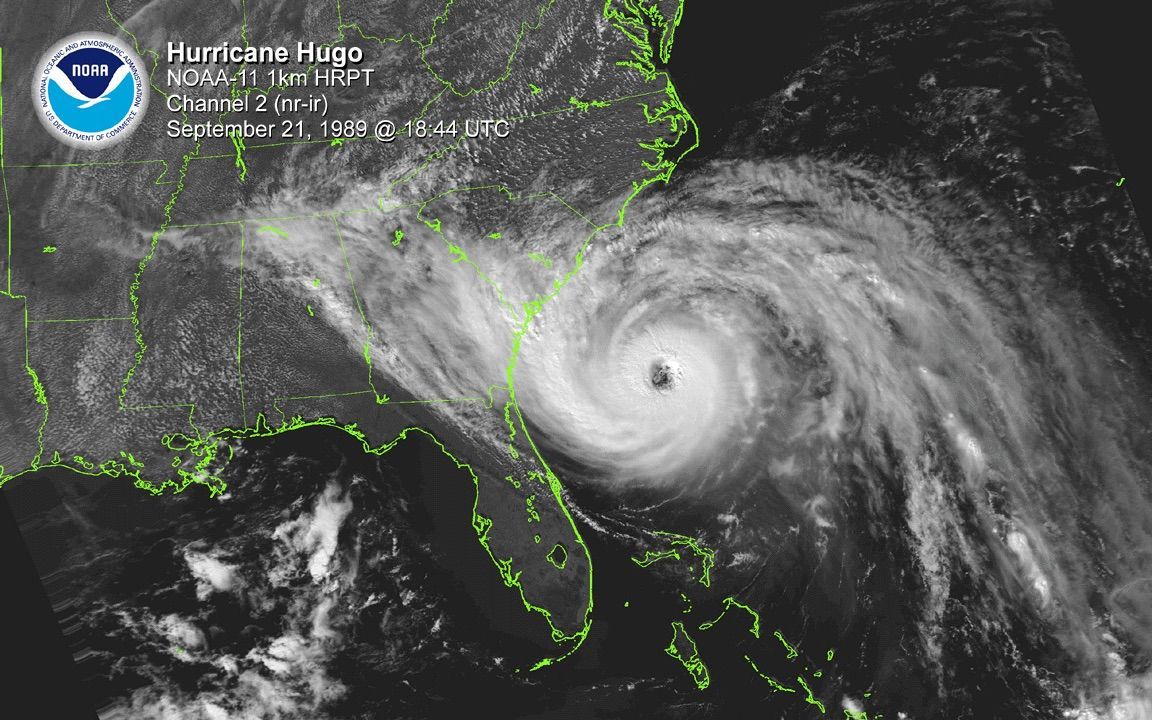
Charleston-area homes are a near-perfect storm for this. We sit on expansive clay soils that swing hard between wet and dry. Many homes here are built on vented crawlspaces open to the outside air. And we get hurricane season stacked right on top of the driest stretch of the year — so the ground is at its most brittle exactly when the biggest rains arrive.
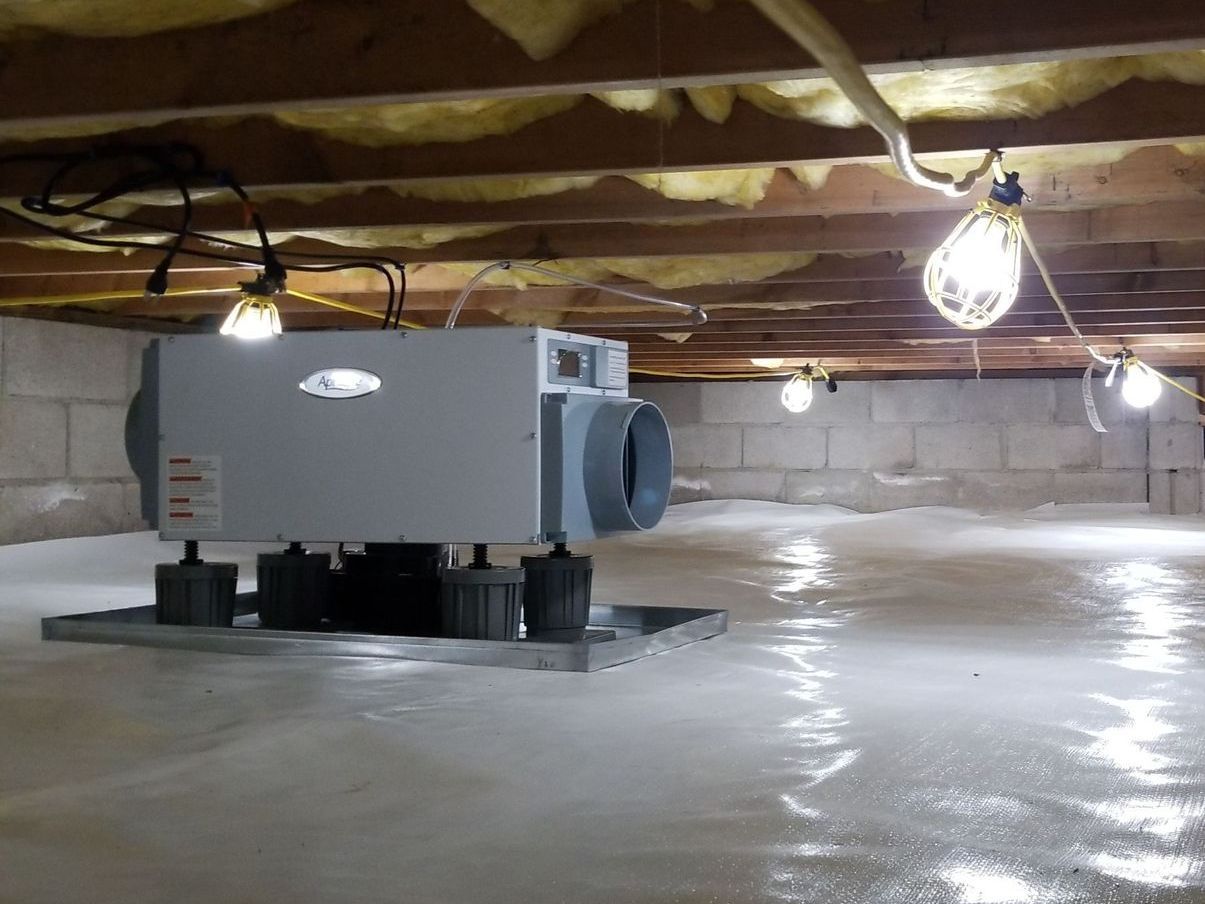
A crawlspace company from two states away running the same ad doesn't know your soil. We work under Lowcountry homes every week, from Mount Pleasant to Summerville to the islands, and we know what a dry August does to a pier in Ravenel clay.
What a Storm-Ready Checkup includes
01
A REAL LOOK UNDER THE HOUSE
A technician goes into the crawlspace — not a glance from the hatch — and inspects piers, framing, moisture, and drainage.
02
PHOTOS & MOISTURE READINGS
You get documentation of what's actually happening down there, including a moisture reading you can't get by looking.
03
A Written Storm Readiness Summary
Plain-language findings and, if anything needs attention, honest options. No pressure, no scare tactics.
04
FREE & NO OBLIGATION
If your crawlspace is in good shape, we'll tell you that and you'll have a documented baseline for insurance. If it's not, you'll know before the storm does.
Two Minutes Now, Or A Repair Bill After The Storm
The check is free and the score is instant. The only wrong move is finding out what the drought did the same week a hurricane does.