By Travis Pfeu
•
November 27, 2024
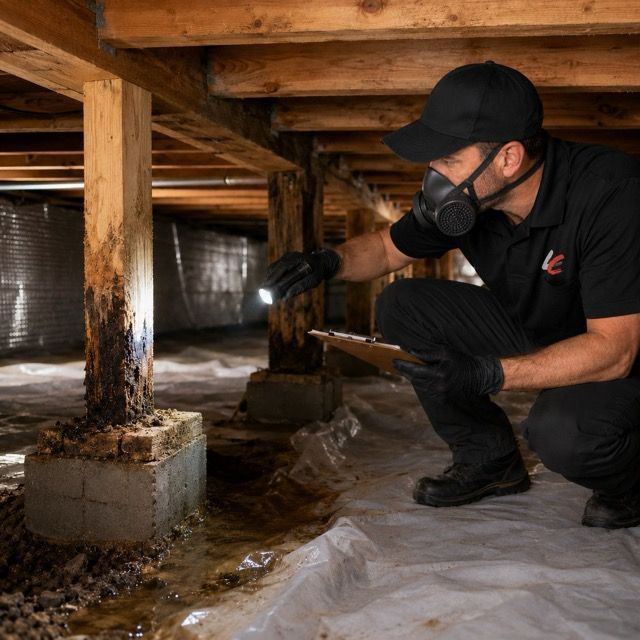
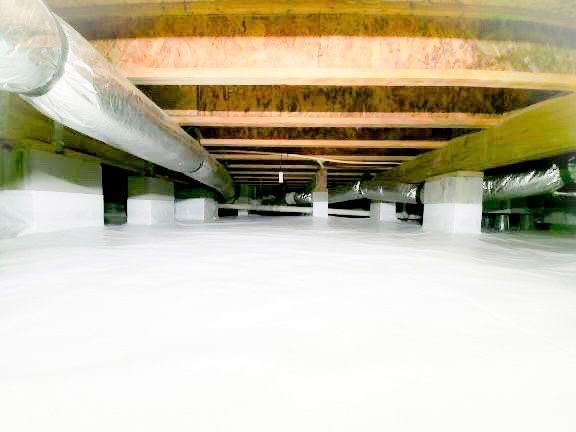
Crawlspace waterproofing in Charleston SC is essential due to the city’s high humidity and frequent heavy rains. This article will guide you on why and how you should protect your crawl space. You’ll learn about the common issues in Charleston crawlspaces, signs that your crawl space needs waterproofing, effective solutions, and why hiring a professional might be the best choice. Key Takeaways Crawlspace waterproofing is essential for protecting homes from mold, structural damage, and energy loss due to moisture issues, especially in Charleston’s humid climate. Signs that indicate the need for waterproofing include persistent standing water, strong mold odors, and humidity levels over 50%, which can lead to serious health risks. Effective solutions for crawl space waterproofing include encapsulation with a vapor barrier, sump pump installation, and maintaining proper ventilation to manage moisture levels. Understanding Crawlspace Waterproofing Crawl space waterproofing is a critical aspect of home maintenance that often gets overlooked. This process involves implementing measures to prevent moisture from entering the crawl space, thereby protecting it from water damage, mold, and structural issues. A damp crawl space can lead to a myriad of problems, including mold and mildew growth, compromised indoor air quality, and health issues like respiratory problems. Moreover, excess moisture can increase humidity levels, leading to higher energy costs and discomfort within the home. Effective crawl space waterproofing not only protects your home from costly repairs but also improves energy efficiency and indoor air quality. By sealing out moisture, you can prevent wood decay and the loss of structural integrity, which are common issues in unprotected crawl spaces. Neglecting this crucial aspect of home maintenance can result in extensive damage to your property over time, especially if the crawl space waterproofed. In essence, ensuring your crawl space is adequately waterproofed is not just about maintaining the structural integrity of your home; it’s about creating a healthier living environment. From avoiding mold infestations to improving your home’s energy efficiency, the benefits of crawl space waterproofing are significant and far-reaching. Common Issues in Charleston Crawlspaces Charleston’s climate poses several challenges for homeowners, particularly when it comes to maintaining a dry crawl space. High humidity levels can lead to significant problems such as mold growth and structural damage. When excess humidity in the crawl space leads to condensation, it results in wood rot and mold, further compromising the structural integrity of your home. Groundwater saturation from heavy rains is another common issue in Charleston. Water accumulation in the crawl space can cause damage to the foundation and flooring structure. Additionally, it can negatively impact the air quality within your home. If standing water exceeds an inch or two, it poses serious risks to your home’s foundation. Additionally, increased humidity can lead to mold growth in flooded crawl spaces, making it crucial to address these issues promptly. Saturated soil can exacerbate these problems. Signs that indicate crawl space problems include standing water, rust, mold, and musty odors. Excess moisture can also attract pests, leading to infestations that further exacerbate the problem. Addressing these issues through proper crawlspace waterproofing can prevent dampness, mold, pests, and structural damage, ensuring a dry and healthy crawl space. Signs Your Crawl Space Needs Waterproofing Recognizing the signs that your crawl space needs waterproofing is essential to prevent serious damage. Persistent standing water in your crawl space for over a day is a significant red flag. This indicates a problem that, if left unaddressed, could lead to severe water damage. Another critical warning sign is a strong mold or mildew odor emanating from the crawl space. Mold can start growing within 48 hours in damp conditions, making it crucial to address any moisture issues promptly. High humidity levels over 50% promote mold growth and require immediate attention. Signs of moisture issues in a crawl space include dampness, condensation, and water pooling. Homeowners can use a moisture meter to measure humidity levels in their crawl space, helping to identify potential problems early. Additionally, water stains, peeling paint, and rust on metal surfaces are indicators of moisture problems that need to be addressed. By being vigilant and recognizing these signs, you can take proactive steps to waterproof your crawl space, preventing water damage and ensuring a healthier living environment. Addressing these issues early is better than dealing with costly repairs that can result from neglect. Effective Crawlspace Waterproofing Solutions There are several effective solutions to keep your crawl space dry and free from moisture-related problems. One of the most comprehensive approaches is crawl space encapsulation, which involves sealing the area with a vapor barrier to control humidity and improve air quality. Installing dehumidifiers can also be an effective way to manage moisture levels in the crawl space. Another crucial aspect of crawlspace waterproofing is ensuring proper drainage. This can include installing sump pumps and French drains to effectively manage water and prevent it from accumulating in the crawl space. Understanding these solutions in more detail will help keep your crawl space dry. Installing a Vapor Barrier A vapor barrier is a key component in crawl space waterproofing, designed to prevent moisture from entering the space and causing damage. This plastic barrier also protects mechanical appliances by keeping moisture out, which can be crucial for maintaining their longevity. A well-installed vapor barrier effectively keeps floodwaters under the plastic and directs them to the drain system. The best method to seal a crawl space is through encapsulation with a heavy-duty vapor barrier. To install one, it should be laid flat over the floor and up the walls, secured with adhesive or fasteners, with seams overlapped by at least 6 inches and sealed using waterproof tape. A high-quality vapor barrier with a thickness of at least 6-mil, preferably 10 to 20-mil, is recommended for optimal performance. During installation, ensure that the seams of the vapor barrier are overlapped a minimum of 6 inches and sealed properly with crawl space seam tape. If the vapor barrier shows signs of damage, it should be inspected and repaired with tape for small tears or replaced for larger damages. This meticulous approach ensures that your crawl space remains dry and protected from moisture. Sump Pump Installation and Maintenance A reliable sump pump is essential for the health of your home, as it prevents flooding by collecting excess water and pumping it away. During installation, ensure the discharge location is directed to a pop-up emitter in the yard, flowing downhill and away from your home. The sump pump basin should be placed in the lowest part of the crawl space to effectively collect water. Annual maintenance, as per the manufacturer’s recommendations, is crucial for the effective operation of your sump pump. Essential maintenance steps include testing the pump. Additionally, it involves flushing it out and removing debris from the basin. Having a check valve can prevent water from flowing back into the basin, reducing wear on the sump pump. For emergencies, a battery-operated backup sump pump is recommended to ensure continued operation during power outages. Regular maintenance and proper installation ensure that your sump pump remains functional and effective in protecting your home from water damage. French Drains for Crawl Spaces French drains are designed to encourage water runoff away from the foundation of your home. The main components of a French drain include a trench, gravel, and a perforated pipe. A fabric developed to filter out dirt, sand, and other debris is used to protect the drainage system in French drains. The installation process involves identifying the water area, digging a trench, placing the pipe, and filling it with gravel. The pipe in a French drain should have a slope of 1 to 2 percent to ensure proper drainage. Proper installation of drainage in a crawl space may also require digging a trench along the interior perimeter and installing a geochannel track. An exterior French drain alone is insufficient to repair an already flooding crawl space. A comprehensive approach, including interior drain tile drainage solutions, is often necessary to ensure your crawl space remains dry. The Role of Proper Ventilation Proper ventilation in a crawl space is essential for controlling moisture. The stack effect allows humid air from a crawl space to rise into the living areas of a home, affecting indoor air quality. Properly designed ventilation systems are often required by building codes, particularly in areas prone to moisture. Different regions may have varying standards for crawl space ventilation based on local climate and soil conditions. Ensuring that vents are not obstructed by debris, leaves, or other materials that can trap moisture is crucial. Using a hygrometer can help track humidity levels and prevent moisture-related issues. Keeping humidity levels below 60% is crucial to preventing mold growth in crawl spaces. By controlling humidity, you can significantly reduce the risk of mold growth and improve the overall air quality in your home. Choosing the Right Insulation Selecting the right insulation for your crawl space is vital for maintaining energy efficiency and preventing moisture problems. Rigid foam insulation is a popular choice for crawl spaces because it’s moisture-resistant and retains insulating properties. Spray foam insulation can effectively fill gaps and create an air barrier, enhancing energy efficiency. Other options include mineral wool insulation, which offers fire resistance and moisture protection, and cellulose insulation, which is mold-resistant and made from recycled materials. The R-value of insulation is crucial as it reflects thermal resistance, with higher values indicating better insulation performance. Effective waterproofing combined with proper insulation ensures a dry and energy-efficient crawl space, making it essential to hire a waterproofing contractor. Why Hire Lowcountry Crawlspaces for Waterproofing Lowcountry Crawlspaces has been a leading provider of crawl space solutions in Charleston since 2018. The company focuses on quality, customer satisfaction, and competitive pricing. Travis, the founder, started the company after gaining eight years of experience in the water disaster restoration industry. Last year alone, Lowcountry Crawlspaces served over 615 families in the Charleston area. The team has grown to over 20 dedicated professionals, with Travis being an IICRC-certified technician. Lowcountry Crawlspaces is confident in handling any challenges related to crawl spaces, making them a trusted choice for waterproofing needs. Maintenance Tips for a Dry Crawl Space Proper crawl space maintenance is essential to improve the health and safety of a home in Charleston’s humid environment. Regular maintenance helps prevent long-term moisture problems and serious health risks. Moisture issues in crawl spaces can significantly affect indoor air quality, with up to 40% of household air passing through these areas. Regularly inspect and reapply sealants to maintain effectiveness against water and pest intrusion. The key to ensuring a dry crawl space is regular maintenance. Here are some specific maintenance tips to keep your crawl space dry. Routine Inspections Homeowners should perform inspections at least twice a year to identify any issues early. Routine inspections should be part of a homeowner’s maintenance schedule to detect issues early. It is advisable to inspect the crawl space for signs of pests, as they can contribute to moisture problems. Regular inspections are crucial for identifying potential issues in crawl spaces before they escalate. Cleaning and Checking Vents Regularly check vents for blockages that can restrict airflow in your crawl space. Clean vents to remove dust, debris, and other obstructions that may hinder airflow. Cleaning and checking crawl space vents is crucial for maintaining proper airflow and preventing moisture buildup. Regular vent maintenance helps to improve air quality and reduce the risk of mold and moisture-related issues. Ensuring that vents remain clear and functional is a simple yet effective way to maintain a dry crawl space. Monitoring Humidity Levels In Charleston, SC, crawlspace humidity levels are challenging due to the warm and humid climate, which can lead to excessive moisture problems. High humidity in crawl spaces can contribute to mold growth and wood rot, seriously affecting a home’s structural integrity. Homeowners should watch for signs of humidity issues, such as musty smells and visible mold growth in their crawl spaces. Installing a vapor barrier is a crucial step in controlling humidity and reducing moisture levels in crawl spaces. Regular maintenance of sump pumps ensures effective removal of excess water and protects against humidity-related issues. Implementing drainage systems such as French drains can help divert water and reduce humidity levels around your foundation. Maintaining proper ventilation in crawl spaces is vital for preventing moisture buildup and promoting air circulation. Summary In summary, crawlspace waterproofing is essential for maintaining the health and structural integrity of your home, especially in a humid climate like Charleston, SC. By understanding the common issues that affect crawl spaces, such as high humidity and groundwater saturation, homeowners can take proactive steps to protect their homes. Recognizing the signs that indicate your crawl space needs waterproofing, such as standing water and mold odors, allows you to address problems early and avoid costly repairs. Effective waterproofing solutions, including installing vapor barriers, sump pumps, and French drains, and ensuring proper ventilation and insulation, are critical to keeping your crawl space dry. Regular maintenance, such as routine inspections, cleaning vents, and monitoring humidity levels, further ensures your crawl space remains in good condition. Trusting professionals like Lowcountry Crawlspaces for waterproofing needs guarantees quality and peace of mind. By taking these measures, you can safeguard your home and improve its overall air quality and energy efficiency. Frequently Asked Questions Why is crawlspace waterproofing important? Crawlspace waterproofing is crucial because it keeps moisture out, safeguarding your home from mold, structural damage, and unhealthy indoor air. It’s a smart move for a healthier living environment. What are common signs that my crawl space needs waterproofing? If you're noticing standing water, moldy smells, or rust on metal, it's a clear sign your crawl space might need waterproofing. Don’t ignore these issues to keep your home safe and dry! What are the benefits of installing a vapor barrier in my crawl space? Installing a vapor barrier in your crawl space keeps moisture out, protects your appliances, and helps manage floodwaters, creating a dry and healthy environment. It's a smart step for better home protection! How often should I perform maintenance on my crawl space? It's best to perform crawl space maintenance at least twice a year, checking for moisture and cleaning vents to avoid problems. Keeping on top of this will help protect your home! Why should I hire Lowcountry Crawlspaces for waterproofing services? Hiring Lowcountry Crawlspaces for waterproofing services is a smart choice because their expertise and commitment to customer satisfaction ensure you’ll get quality results. With years of experience, they’re ready to tackle any crawl space challenges you may face.